
99 Queen Street South
Tottenham, ON L0G1W
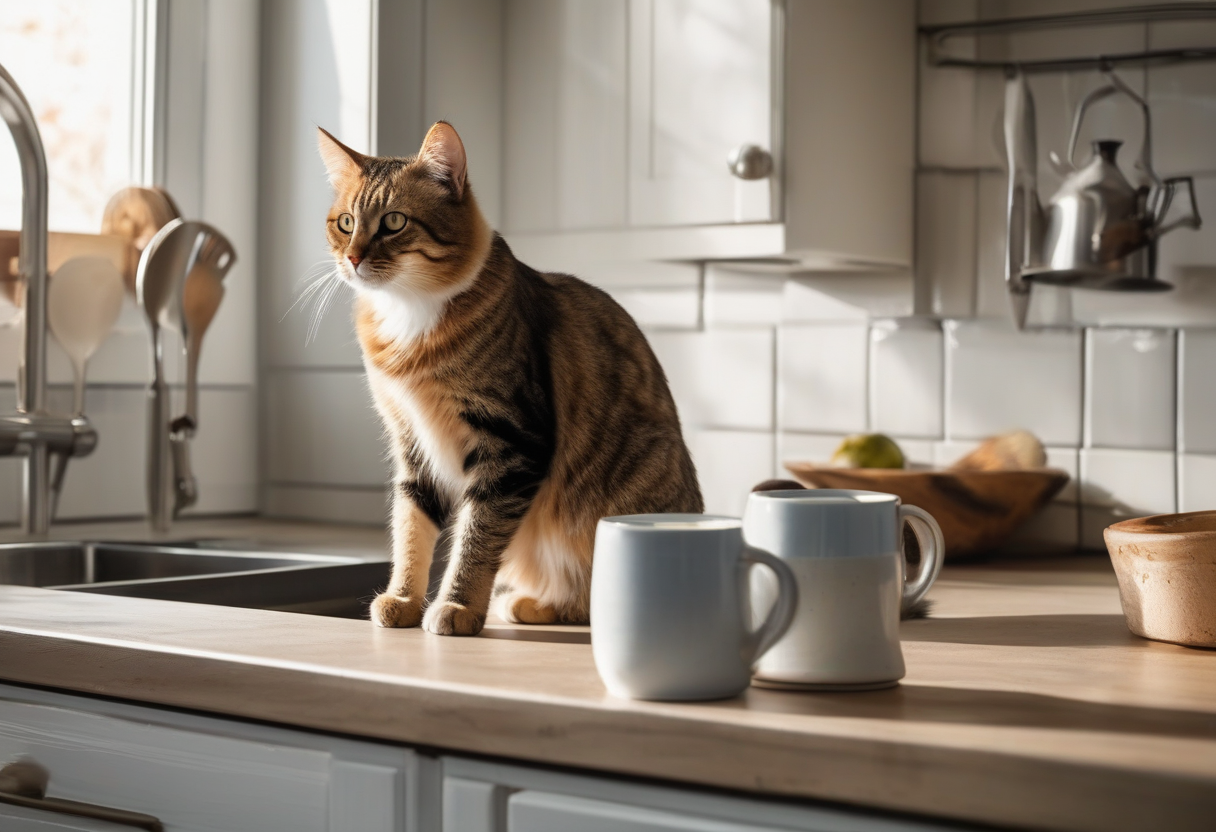
When you come home after a long day, there[’’]s no sound quite like the sudden thunk of something hitting the kitchen floor: a teacup, a stack of mail, a shiny pair of shoes tumbling onto the floor. If you’re a pet parent, the first instinct is a mix of wonder and a little worry. In the world of cats, that behaviour is almost a rite of passage.
And while it can feel personal, it almost never is. The real drivers are predictable and fairly harmless: instinct, play, attention‑seeking, and pure curiosity. Let’s break it down.
1. Play and Hunting Practice
Young cats are born hunters. The counter is prime hunting ground — full of moving targets to be nudged, batted, or chased. Every toppled object is a small experiment in weight, momentum, and motion. Adult cats often keep at it long after the novelty should have worn off.
2. Attention‑Seeking Behaviour
Humans respond to a cat’s antics. A quick “Ow!” or a worried smile turns a simple knock into a moment of interaction. Cats learn that a topple triggers a response from their human, so they repeat it until something else proves more rewarding.
3. Curiosity – It’s Not About Revenge
Some owners wonder if a cat is upset or spiteful. That’s not the case. The object is a toy, and the cat is curious. Even if the cat keeps striking the same item, they’re not planning retribution—there just isn’t a concept of “spite” in feline psychology.
Practical Redirects (No Punishment)
1. Provide alternative surfaces. Set up a dedicated “play table” with similar items: a shallow plate, toy boxes, or even a cardboard tower. Cats do best when they have an outlet that satisfies their need to stalk and pounce.
2. Use deterrent sprays. Commercial “Cat‑Safe” sprays or a mild citrus scent can be sprayed on counter edges—cats hate the smell and will stay away.
3. Reward Play on the Right Surface. When the cat uses the play table, reward with a treat or a few minutes of interactive play. Eventually the counter becomes a no‑go zone by association.
4. Keep counter items low. The less attractive the shelf, the less likely the cat will be tempted. Use baskets for mail and storage, and only keep essential kitchen items in deeper drawers.
If you see your cat repeatedly knocking a certain high‑value item (like a vase) and you’re worried, consider placing a non‑slip mat under it or moving it to a cupboard. Remember, the goal is to keep your cat safe and your counter safe without punishing the cat, who isn’t doing anything wrong.
Takeaway: A kitty’s counter antics are a mix of instinct and attention‑seeking. Provide play options, use simple deterrents, and give plenty of positive reinforcement. That keeps counters clear while keeping your cat happy and safe.